The Emergence of Home-Based Paternity Tests: Precision, Confidentiality, and Ease
The rise of at-home paternity tests reflects a significant change in how individuals handle parentage verification. With reliability rates frequently surpassing 99%, such tests provide a accessible method for gathering genetic samples. However, persistent concerns about privacy about genetic data are still widespread. As a growing number of families explore such testing options, they must carefully assess the consequences of accuracy, privacy, and emotional consequences. What factors should they prioritize in determining the right course of action?
How Do Home Paternity Testing Kits Work?
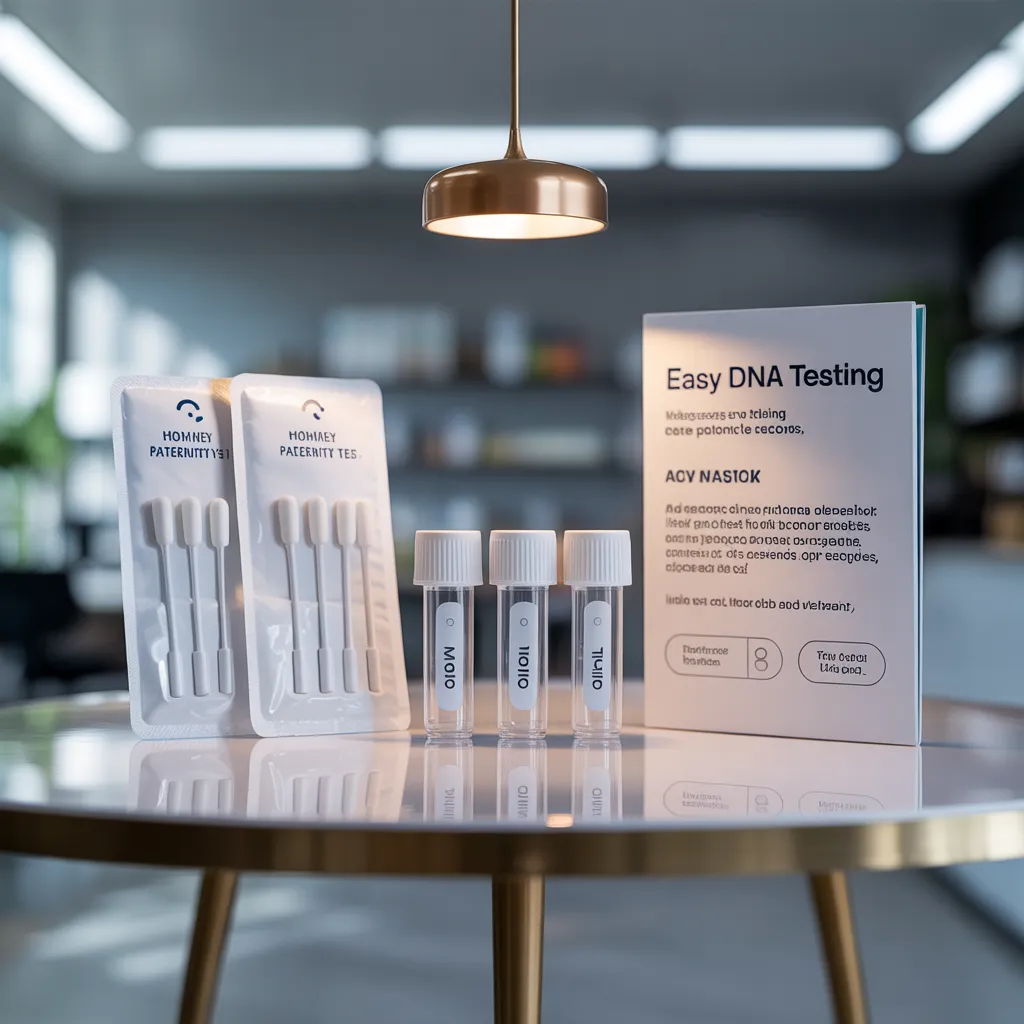
Residential paternity tests commonly work by means of an uncomplicated method centered around collecting genetic material. Participants obtain a testing package containing swabs designed to gather cheek cell samples, usually from both the prospective father and the child. Users are instructed to gently rub the swabs inside their cheeks so as to obtain enough DNA for testing. Once the specimens have been gathered, they are placed in designated containers and then forwarded to a testing facility for evaluation.
In the lab, the DNA is isolated and studied to pinpoint particular genetic indicators. This evaluation matches the DNA patterns of the child and the alleged father to confirm paternal relationship. Findings are typically ready within a few days, and the procedure is intended to remain user-friendly, ensuring minimal discomfort. The convenience of home testing appeals to many, allowing individuals to seek answers in the seclusion of their own home. This procedure highlights the test's growing popularity as a dependable choice for confirming paternity.
How Accurate Are Home Paternity Tests?
How reliable are home paternity tests when it comes to determining biological relationships? In most cases, these tests are reported to deliver a high accuracy rate, commonly exceeding 99% when administered under the right conditions. These tests examine DNA samples collected from the potential father, child, and occasionally the mother, evaluating genetic markers to confirm a biological connection. However, the accuracy can be influenced by factors such as sample contamination or improper handling.
Many home tests utilize advanced techniques similar to those used in certified facilities, yet they may lack the rigorous supervision linked to professional testing. In addition, results can fluctuate between various brands and products, highlighting the necessity of choosing a trusted supplier. While home paternity tests can offer a reliable sign of genetic connections, individuals should proceed carefully, considering that serious legal and personal consequences may result from the findings. At the end of the day, for absolute certainty, seeking guidance from an accredited lab is advisable.
What Are the Privacy Concerns?
Although home paternity tests provide an accessible means of determining familial biological ties, they also introduce significant privacy concerns. The acquisition and processing of genetic data, typically collected as cheek swabs or saliva samples, can lead to improper access or misappropriation. Many companies do not guarantee the security of collected samples, exposing individuals to the risk of security breaches and data exposure.
Furthermore, the data may be shared with third parties without explicit consent, heightening concerns of social stigma or bias. Consumers may also be unaware of how their genetic data will be kept or potentially utilized for research purposes.
Furthermore, the affective dimensions linked to unexpected results can add complexity to the landscape of personal privacy. Taken together, while these tests provide user-friendliness and accessibility, the shortage of robust regulatory frameworks and accountability in the handling of personal data generates important inquiries about personal rights regarding data privacy and control over their own genetic information.
How Do Test Outcomes Impact Emotional Well-Being?
The psychological impact from paternity test results can be profound and far-reaching. People may experience a whirlwind of emotions, ranging from relief and joy to anger and betrayal. For certain individuals, a positive match can confirm deeply held convictions, fostering a bond of trust and reassurance. On the other hand, a negative result may lead to feelings of doubt, confusion, and heartbreak, particularly if a familial bond is challenged.
These emotions often spread beyond the individual to affect relationships within families. Parents may grapple with feelings of guilt or anxiety regarding the impact on their kids, while siblings could encounter changes in how they view family relationships. Moreover, social stigma can exacerbate these feelings, as individuals navigate societal expectations surrounding parentage. At the core of it all, the psychological impact of paternity test results varies widely, underscoring the intricate relationship between personal identity, trust, and mental health.
Essential Factors for Selecting a Home Paternity Test
Navigating the emotional journey following paternity test results commonly prompts individuals to think carefully about their next steps, particularly when choosing a home paternity test. Several key factors require careful thought to guarantee a dependable and favorable outcome.
To begin, precision is essential; consumers are advised to select tests offering superior sensitivity and specificity scores. Additionally, user-friendliness plays a key role; an uncomplicated collection procedure can help reduce anxiety. Confidentiality represents another major consideration; trustworthy providers must ensure the safe management of personal information and outcomes.
Pricing is also an important consideration; potential users should weigh the price against the test's credibility and support services. Lastly, customer reviews and testimonials provide insights into the experiences of others, providing direction when navigating available choices. By thoroughly considering these aspects, people can arrive at well-informed decisions that match their personal requirements and goals.
Questions Our Clients Often Ask
Are At-Home Paternity Tests Accepted as Legal Evidence in Court?
At-home paternity tests are commonly unable to be used as legal evidence in court because of accuracy concerns and the absence of standardized procedures. Courts generally mandate tests conducted by accredited laboratories to be considered credible legal proof in paternity proceedings.
How Long Does It Take to Get Home Paternity Test Results?
Home paternity test results typically take anywhere from three to five days for processing. Certain providers offer accelerated processing services, shortening the processing time to just 24 hours, based on more info the particular testing method selected.
Can I Retest if I'm Unsure of Results?
Indeed, people can take the test again if unsure of the outcome. It is best to pause briefly before repeating the test to ensure accuracy. Seeking professional advice can also help determine the most appropriate course of action.
What Samples Are Required for Home Paternity Tests?
Home paternity tests typically require oral swab samples from the child and the alleged father, though certain kits can also accommodate samples taken from blood. Correct collection and careful handling of these samples is critical to achieving accurate results.
Are There Age Restrictions for Testing Children?
Generally speaking, there are no strict age restrictions for conducting home paternity tests on children. That said, acquiring approval from a legal guardian is usually mandatory, guaranteeing that the child's rights and personal privacy are honored throughout the procedure.
Comments on “Helpful Tips to Home Paternity Test”